
News
» Go to news mainGoing green: Jay Willmot’s (BComm’07) quest to change the lettuce market in Canada

Photos provided.
When JayÌýWillmotÌý(BCommÌý‘07) studiedÌýCommerce at ÈâÈ⴫ý, his Entrepreneurship professor asked the class to make a list of ten things that pissed them off.
“The prof explained that the things that drove us crazy were amazing business ideas,â€� saysÌýWillmot. His number one problem? “Old, slimy, smelly greens that ruin your meal,â€� he chuckles. “I was being driven nuts by how bad grocery store greens were.â€�
The finance education I received at Dal gave me suchÌýa good toolÌýset
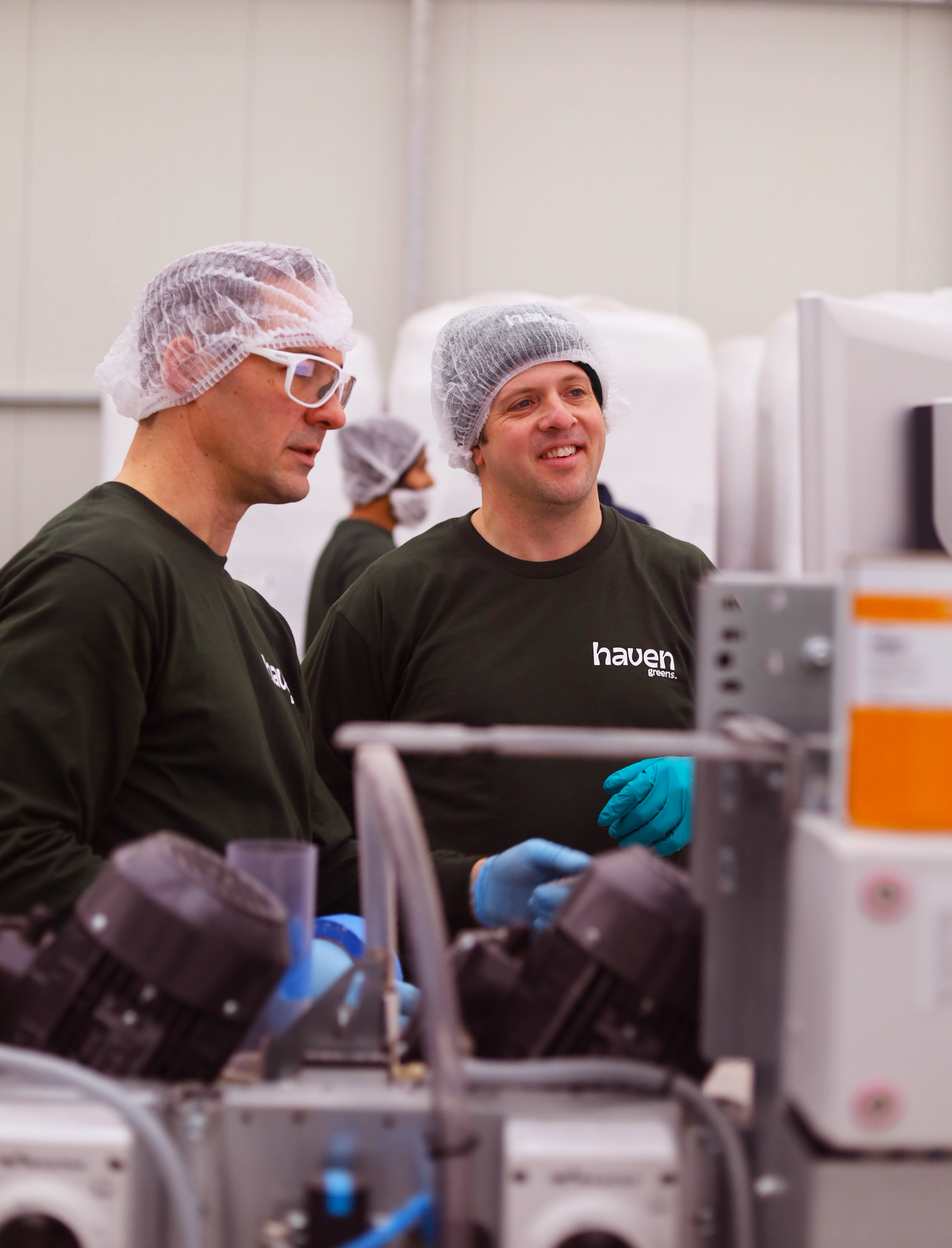
Twenty years later, Jay is now the founder and CEO of Haven Greens, Canada’s first fully automated greenhouse operation, producing up to 12,000 pounds of crisp, fresh lettuce every day. His pesticide-free, ready-to-eat lettuce is sold from Vancouver to St. John’s. Recently, the company received the coveted Costco seal of approval; their lettuce is on the shelves of allÌý42 OntarioÌýstores plus all six in the Atlantic region.
Raised on his family’s horse farm in King City, Ontario,ÌýWillmotÌýgrew up doing farm chores—even though he was allergic to horses. In the early 2000s, heÌýsecured a scholarship to ÈâÈ⴫ý and earned aÌýBCommÌýmajoring in finance.Ìý“I hadÌýreallyÌýbroad-based experience through the co-op,â€� he says.Ìý“And the finance education I received at Dal gave me such a good tool set around thinking both analytically and creatively.â€�
The future of agriculture in Canada
After graduating in 2007,ÌýWillmotÌýgot his first job as a financial analysis at an ATM company in Toronto. He also became involved with the family business,ÌýKinghavenÌýFarms, which was founded in 1967 as a thoroughbred breeding and racing farm.ÌýÌýWhen his father asked him to do a financial analysis of the business, the result was eye-opening.
The business was losingÌýmoneyÌýandÌýWillmotÌýconvinced the family to begin pivoting away from horses. “We started to ask ourselves what the future of agriculture in Canada might look like and got really intentional about how we were going to become a profitable farming business.â€�
That’sÌýwhenÌýWillmotÌýdecided to further hisÌýeducation,Ìýearning a law degreeÌýandÌýa Master of Environmental Studies,ÌýbothÌýfrom York University. His thesis project was the development and creation of a solar energy power plant that began bringing in some much-needed revenue to the family farm.
Ìý
AÌýsuperior product, grown locally
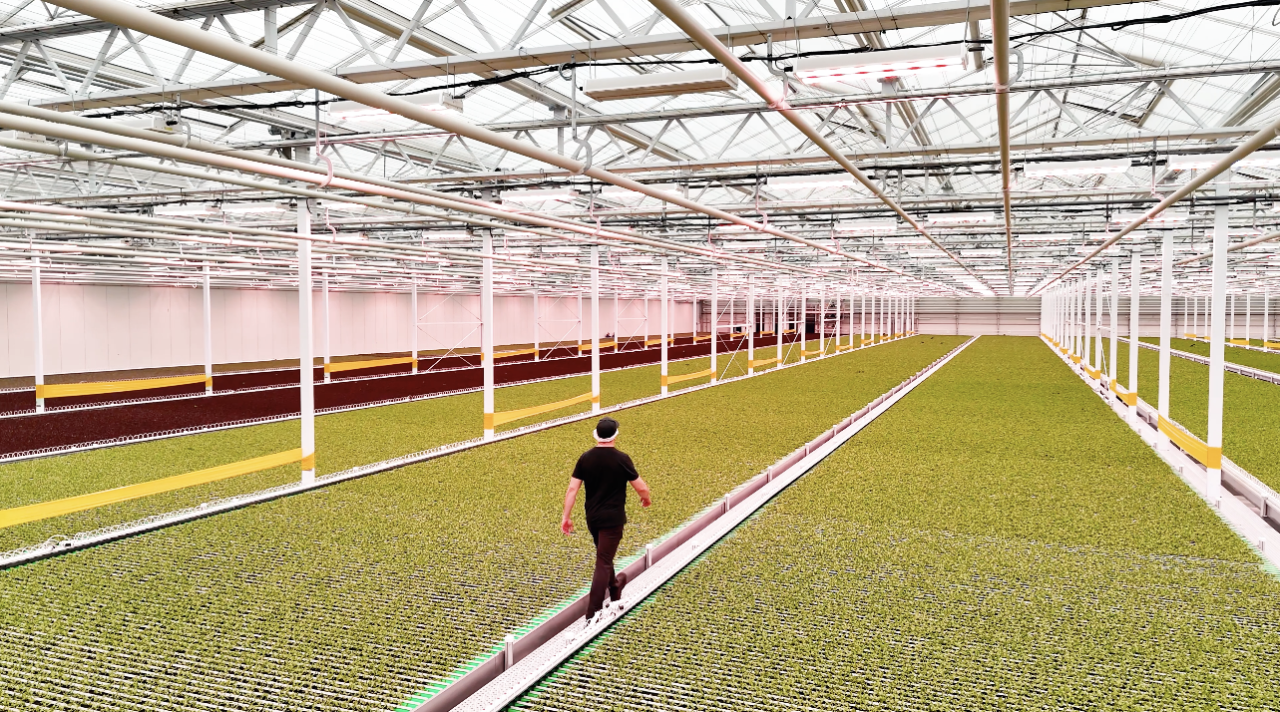
He tried his hand at vertical farming, didÌýresearchÌýand finally stumbled upon apiece of information that would change his life: a new European automation in greenhouse farming called Mobile Gully Systems (MGS). MGS moves rows of plants through a greenhouse on an automated track, reducing manual labor, ensuring consistent plant growth, and increasing productivity by maximizing space.Ìý
“I was really intrigued by the idea of creating a hands-free growing environment that was more efficient and sustainable.â€�ÌýWillmotÌýstarted attendingÌýconferencesÌýand met Eric Highfield, who would become hisÌýchiefÌýagriculturalÌýofficer.ÌýTogether, they created a subsidiary to the family farm and called it Haven Greens.Ìý
Next, they reimagined the indoor horse training track, converting it into a five-acre,Ìýstate-of-the-artÌýautomated greenhouse. Equipped with advanced MGS Growing System technology, theyÌýwent allÌýin onÌýWillmot’sÌývery first idea. Lettuce.
“When I found out that Canada was importing in excess of 97% of the leafy greens we eat, that really cinched the deal for me,â€� saysÌýWillmot. “I wanted to create a superior product, grown locally—not California, Arizona, and Mexico—a product that Canadians could trust and enjoy."
TeachingÌýyoung people to farm more sustainably
Haven Greens planted their first seeds in February of 2025 and began harvesting the next month. TheyÌýhaven’tÌýslowed down since, helped partly by the US-Canada tradeÌýwar. GreenÌýlettuce, redÌýlettuce,ÌýarugulaÌýand mustard greens are being grown with whatÌýWillmotÌýcalls “the best technology and the best practices.â€�
This means using AI to increase their planting efficacy and outcomes, capturing rainwater, and recycling irrigation water. Haven Greens uses 98% less water than traditional agriculture and is 35 times more productiveÌýper acre.ÌýThey grow their crops without pesticides, herbicides, or fungicides, while using solar energy.ÌýWillmot’sÌýthesis project has now grown to five solar power plants.
“We’re very proud of what we’re doing here at Haven Greens,â€� saysÌýWillmot. “We want to shed light on the importance of agriculture here at home and to teach young people to farm more sustainably.â€� The company is walking the talk, with a median age of 27 among their over 100 employees. “We've hired a lot of really talented young professionals who are invigorated to be on the cutting edge of technological and energy advancements.â€�
A second five-acre greenhouse is already being built, which will double the company’s output to four million kilos of lettuce per year. “We want to show future generations what is possible,â€� saysÌýWillmot. “That's what gets us excited; waking up every day and knowing that we're contributing to our country in a meaningful way.â€�Ìý
Recent News
- Michael Huskilson invests in CDL‑Atlantic, following his father's lead
- Hands on learning in Poland for students learning about emerging business markets
- Congratulations, Class of 2026
- Andy Chen, global expert in utilities, comes to Dal for an ‘Ask Me Anything’
- Going straight to the heart: Black Family Foundation honors Management teaching
- With 70 years between them, a grandfather and grandson confirm the Bachelor of Commerce still has the same heart
- Nick Troup: An MPA designed for real life
- Brooklyn Malone (BSc(Rec)/BMgmt’26) on the art of opportunity and gratitude